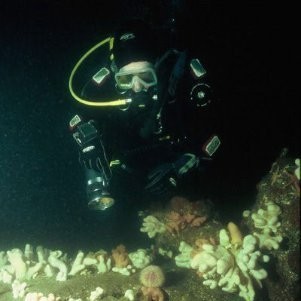
Sand Mason Worms and Sea Mouse by Bryony Plevin (Garvald Edinburgh)
Sand Mason Worms and Sea Mouse by Bryony Plevin (Garvald Edinburgh) Read Post »
I liked the bird and thought it would be good to sew it.
Ringed Plover by Katherine Tollervey (Garvald Edinburgh) Read Post »
I wanted to embroider the shark.
Basking Shark by Leona Slipper (Garvald Edinburgh) Read Post »
Leonie and Caitlin Godfrey met up with Mark Blyth to talk about his diving experience in the Firth of Forth
Edinburgh Shoreline Meets Mark Blyth At The Diver Bunker – Burntisland Read Post »
Stop using so much plastic packaging if possible when purchasing food and recycle everything that you can !
Ringed Plover by Diana Allan Read Post »
Every species in our seas and on our beaches is connected through some part of their life cycle. Any negative impact on one of these species can have a disastrous result for many others. We must think every time we, as humans, make a decision or take a step – how will this effect the wildlife around me. It needs to be our priority.
Kelp Fly by Amy Lowson Read Post »
For every piece of plastic produced, every wrapper, every throw away toy, every bag, we are poisoning not only the planet, not just the animals who get tangled and drown, not just the sea creatures who starve to death because their stomachs are full of plastic, not just the mammals and birds trapped and dying of dehydration in landfill, but ourselves too.
Your children and grandchildren will be born with microplastics in their body. Their lives will be shortened before they’ve taken their first breath. For the sake of money and convenience. Save your family, save the planet, stop using plastic.
Sea grass by East Neuk Home Education Group Read Post »
This beautiful, sensitive, intelligent creature is something we need to protect and treasure. We can learn so much by watching how it manages it’s environment and relates to others. They are higly intelligent invertebrates and have been known to form bonds with humans. I am so saddened by the growth of octopus farms.
Curled Octopus by Carole Gascoigne Read Post »
I want to share a remarkable story about a small but mighty creature—the limpet. These unassuming mollusks hold within them the power to inspire positive change and ignite a sense of responsibility within us. As diligent grazers, limpets play a vital role in maintaining the delicate balance of our coastal ecosystems. By preventing the unchecked proliferation of algae, they ensure the survival of countless other species that depend on these habitats for their existence.
But the importance of limpets goes far beyond their ecological contributions. These humble creatures have captivated the hearts of naturalists and scientists for their incredible adaptations and unwavering resilience. From their strength to cling to rocks amidst relentless waves, to their remarkable homing instincts, limpets remind us of the extraordinary beauty and intricacy of nature.
The study of limpets also offers us a window into the health of our environment. As sensitive organisms, they are barometers of change, affected by pollution, habitat destruction, and climate shifts. By closely monitoring limpet populations, we gain invaluable insights into the overall well-being of coastal ecosystems and the impact of human activities. They serve as silent messengers, urging us to take action and protect the precious habitats they call home.
So, let us embrace the lessons of the limpet and embark on a journey of positive change. By valuing and preserving these remarkable creatures, we embrace our role as stewards of the natural world. Let us champion conservation efforts, raise awareness about the importance of coastal ecosystems, and work tirelessly to safeguard the biodiversity that thrives within them. Together, we can make a difference—a ripple of change that will resonate far beyond the shores, creating a sustainable future for our oceans and generations to come.
Remember, the power to influence positive change lies within each of us. Let us be inspired by the humble limpet and become catalysts for a brighter, healthier, and more harmonious world.
Limpets by Suzanne Trew Read Post »
The children had lots of fun with it and especially enjoyed the prestige of being recorded professionally, of course. It’s
Eider Duck by Lucy Metcalfe and the Victoria Primary School Choir Read Post »
Dabberlocks Kelp short song sung by community choirs and written by Jane Lewis. A community song leader, mindfulness teacher, environmental
Dabberlocks Kelp by Jane Lewis Read Post »
Basking Shark, Lamprey Eel and Twaite Shad are all endangered species in Scottish waters due to issues including climate change, over fishing, blocked migration routes, coastal development, pollution, environmental degradation and destruction of habitats
Basking Shark, Lamprey and Twaite Shad by Jay Kirkland Read Post »